SS5/25 came into force and replaced
SS3/19 in full.
On December 3, 2025
Firms were expected to complete an internal review of their position against the updated expectations, identify areas requiring further work and develop a credible and ambitious plan to address identified gaps.
By June 3, 2026
Supervisors may ask firms to provide evidence of their internal review, gap analysis, action plan and progress towards meeting the updated expectations.
After June 3, 2026
Key Dates
From Supervisory Expectation to Practical Response
SS5/25 sets broad expectations for how firms identify, assess, manage and evidence climate-related financial risk. For mortgage lenders, the challenge is translating those expectations into consistent, loan-level evidence across the portfolio.
Governance and ownership
Boards and executive management should understand material climate-related risks and incorporate them into business strategy, oversight and risk appetite.Risk appetite, metrics and management information
Firms should translate material climate-related risks into appropriate metrics, limits, monitoring and regular management reporting.Climate scenario analysis
Scenario analysis should be used to identify, quantify and manage climate-related risks and to inform decision-making and risk appetite.Credit and collateral risk
Firms should identify, measure and monitor how physical and transition risks affect credit risk, including individual exposures, collateral and concentrations.Data quality and data gaps
Firms should identify significant data gaps, maintain appropriate risk-data aggregation capabilities and document the use of proxies or assumptions where reliable data are unavailable.Evidence and reporting
Climate-related risk information should support regular internal reporting, Board oversight, regulatory engagement and relevant disclosures.
Why It Matters
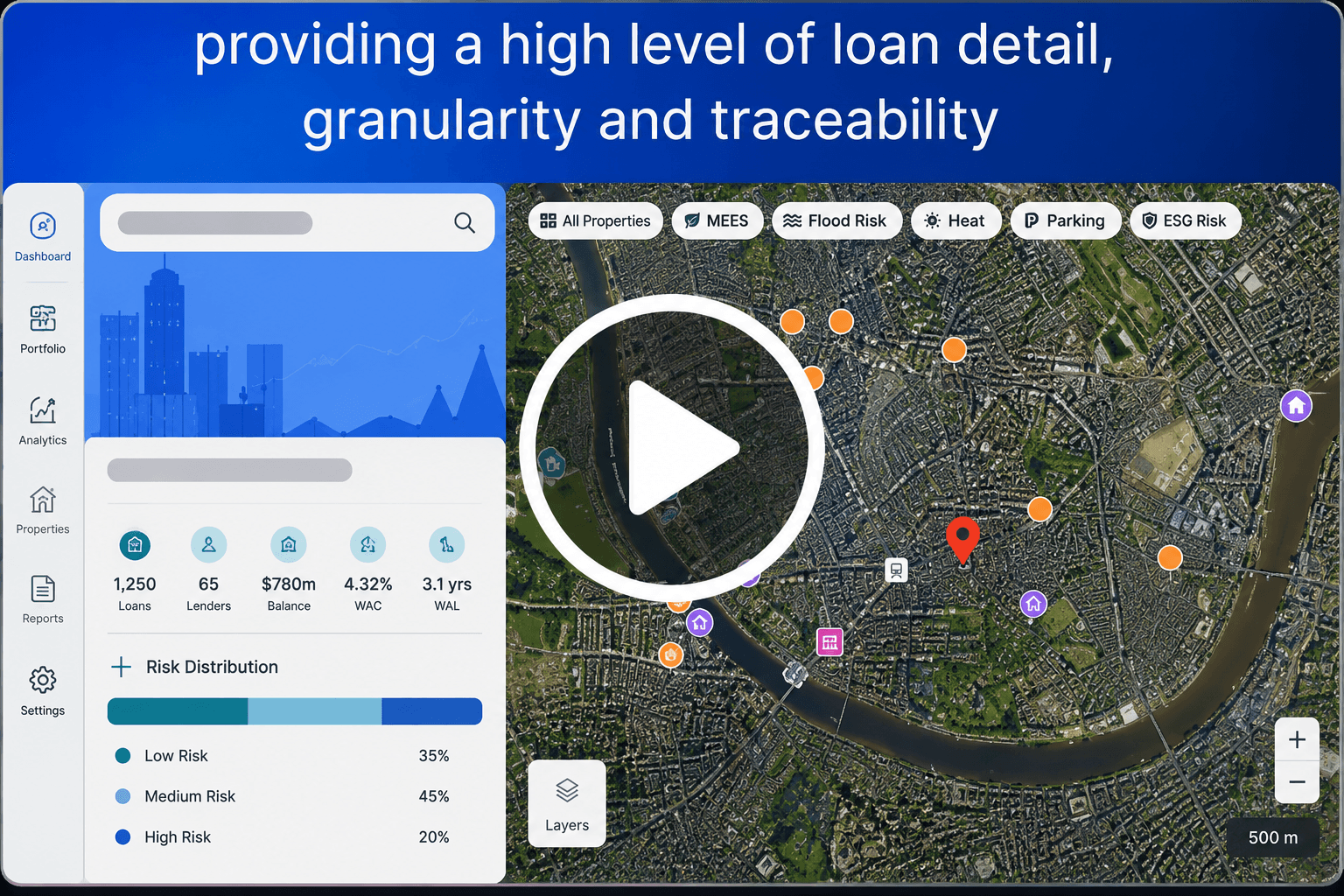
This is not simply a regulatory reporting exercise. InCol Intelligence brings climate risk into the same loan-level view as credit, collateral, valuation and affordability, helping management understand where risks are concentrated, how they interact and what is driving the outcome.
The result is a more consistent evidence base for risk management, Board and committee reporting, scenario analysis, ICAAP discussions and regulatory engagement.